
Blogs
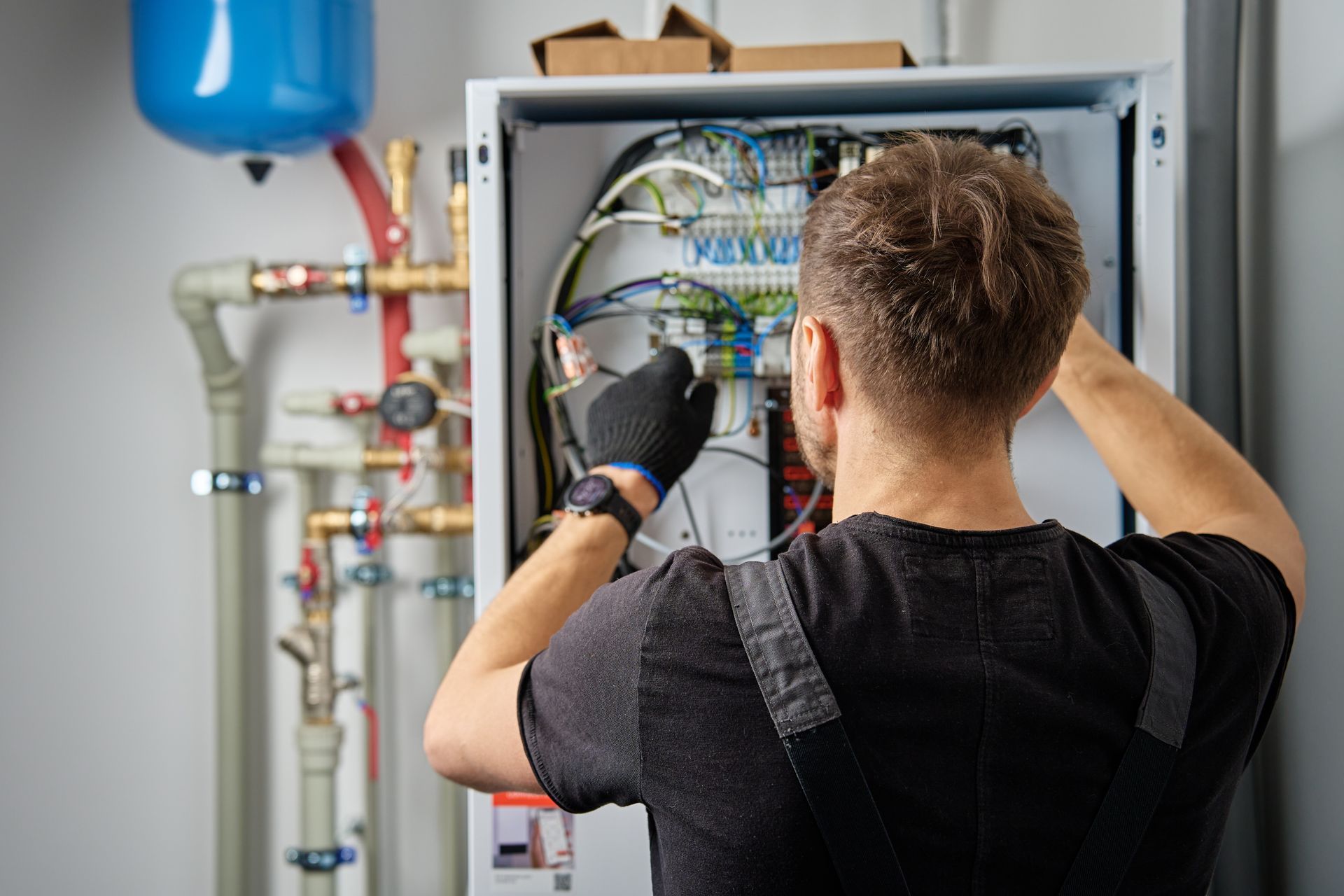
Running a business means watching over more than sales and staff. You also need to watch the building itself. When owners ask, “Which CCTV system should I buy for my company?” they usually want a clear, simple checklist they can trust. Need the short answer? Focus on these five essentials: Clear, high‑resolution video. Reliable storage, you can search fast. Smart analytics that spot problems for you. Secure remote access from any device. Hardware and software that grow with the company. Below, we’ll break down each feature, give quick tips, and point you to useful resources so you can choose with confidence. 1. High‑Resolution Imaging A blurry clip is almost as useless as no clip at all. Crisp pictures help identify faces, license plates, and small details that matter during an investigation. Why resolution matters Better evidence: Courts and insurers prefer footage that leaves no doubt. Wider coverage: A single 4K camera can replace several older units. Fact: 4K (8‑megapixel) cameras capture four times the detail of standard 1080p models while using about the same bandwidth when paired with modern compression (H.265). What to look for Minimum 1080p today; plan for 4K if budgets allow. True WDR (wide dynamic range) for hard lighting. Low‑light performance rated in lux; the lower, the better. 2. Robust Storage and Retrieval Options Footage is only helpful if you can keep it long enough and find it fast. Local vs. cloud storage—quick comparison
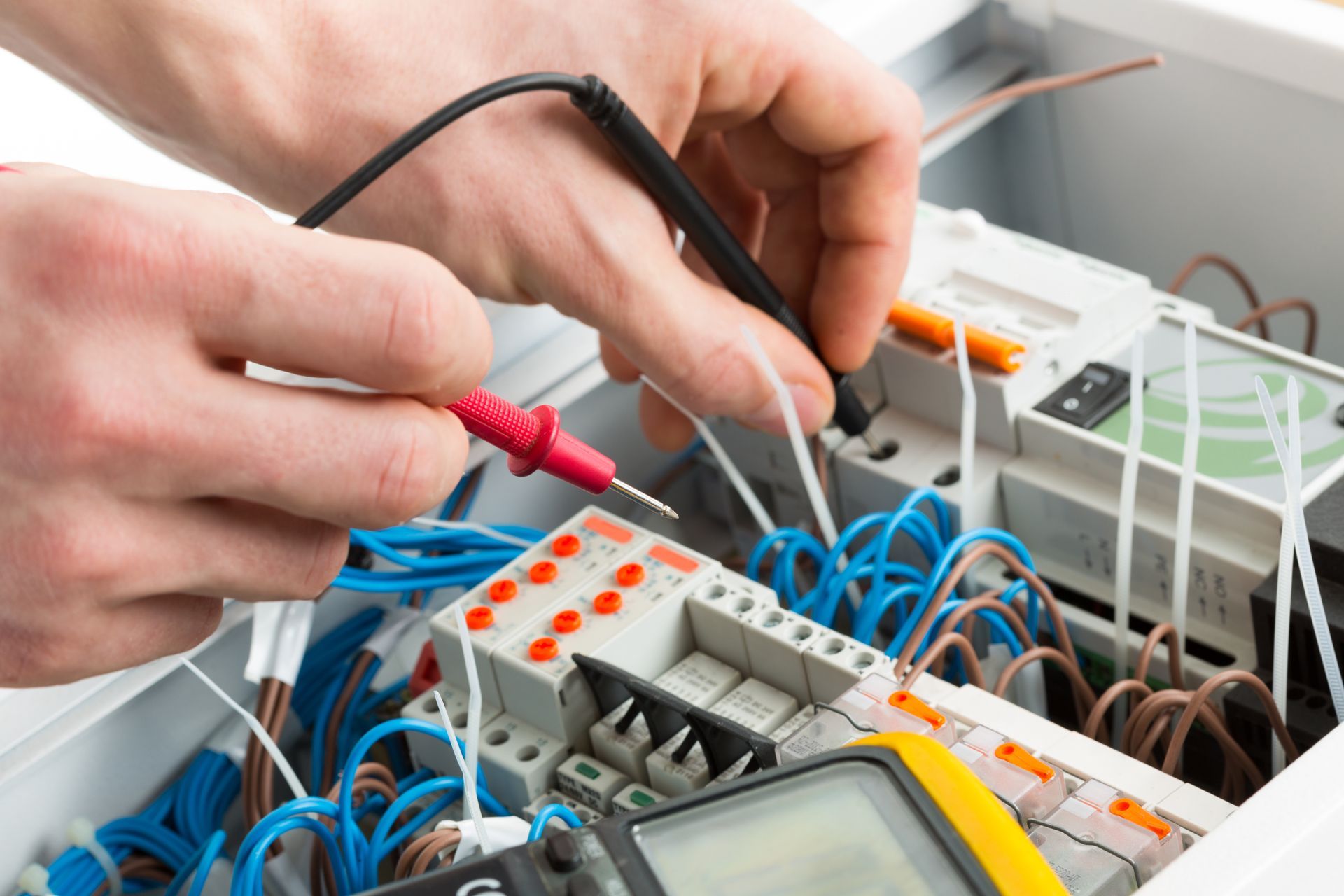
Most communities need faster internet, but figuring out how to lay fiber cables can feel confusing. Should they hang on poles high above the street or run out of sight below the ground? That’s the puzzle you’re trying to solve today. Aerial fiber is quicker and cheaper to build; underground fiber is safer from weather and lasts longer. Pick aerial when you need speed and low cost, underground when you want durability and less risk of outage. In this guide, you’ll see how each method works, where each one shines, where it falls short, and which factors matter most when you choose. Simple tables, quick tips, and clear warnings are sprinkled throughout to keep everything easy to follow. Why Fiber Placement Matters Fiber carries light, not electricity, so it already moves data at incredible speed. The real question is where to put the fiber stands. That location affects cost, service uptime, repair time, and even how soon an entire neighborhood can get online. Aerial Fiber Installation How it Works Crews lash fiber cables to existing telephone or power poles. The cable swings in the air, tied down every few feet. Bucket trucks do most of the lifting, so there’s little digging. Key advantages Speed to deploy – Build miles a day once permits are in hand. Lower build cost – Poles already stand, so materials and labor drop. Easy upgrades – Stringing extra strands or swapping damaged ones is fast. Straightforward fault finding – Visual inspection from the road spots breaks. Potential Drawbacks Overhead cables face wind, ice, falling tree limbs, and traffic accidents. Outages spike during storms, and repairs can require closing lanes or working at night to avoid cars. Maintenance Snapshot Underground fiber sees fewer faults, but when it fails, technicians may need ground penetrating radar to hunt for the break. Repairs take longer and often require city permits to reopen the pavement. Underground Fiber Installation How it Works Crews bore narrow paths with trenchless drills or cut trenches along a street. They slip the conduit into the hole, then pull the fiber through the conduit. Everything is buried and usually mapped by GPS. Key Advantages Shielded from weather – Soil blocks wind, ice, and UV light. Longer life – Cables stay cool and dry, so they often last 30 years or more. Cleaner streetscape – No extra wires clutter the skyline. Better security – Harder for vandals or animals to reach the glass. Potential Drawbacks Up‑front cost can be two to five times higher than aerial. Digging may disrupt traffic, damage other utilities, and trigger expensive road repairs. Water tables and rocky soil raise costs even more. Maintenance Snapshot Underground fiber sees fewer faults, but when it fails, technicians may need ground‑penetrating radar to hunt the break. Repairs take longer and often require city permits to reopen pavement. Side-By-Side Comparison